Skip to content
Pregnancy

Osteopathy and Pregnancy: When Should You See an Osteopath?

By Léa Laskar, Osteopath D.O.Updated on June 18, 20268 min read

You’re pregnant, your back is starting to ache, your nights are less restful, and the same question keeps coming up: is this the right time to see an osteopath - and is it really safe for the baby? It’s something I’m asked all the time at my practice.

The short answer: you can see an osteopath at any point in your pregnancy, as long as the techniques used are gentle and adapted. Here are clear guidelines, trimester by trimester, to help you decide with peace of mind - always alongside your medical care, never in place of it.

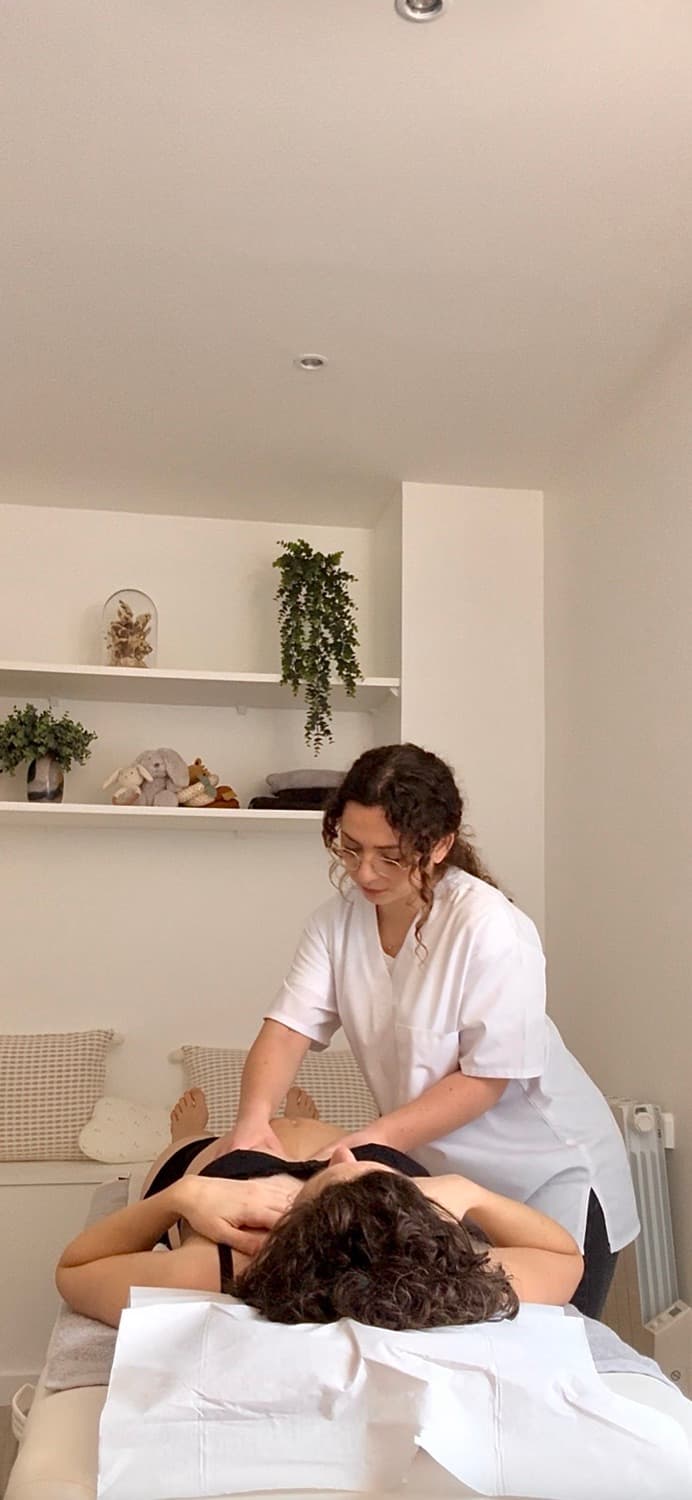
Léa Laskar, Osteopath, supporting a pregnant woman in Jerusalem (Katamon)

Key takeaways

  • Osteopathy is possible in every trimester, with gentle techniques adjusted to your pregnancy.
  • In practice, many women come in for the first time during the second trimester, when back and pelvic pain starts to set in.
  • It never replaces your OB-GYN or your midwife: it works alongside your medical care.

Can you see an osteopath in the first trimester?

Yes, you can. From the very first weeks, your body is already changing a great deal: under the effect of hormones, your ligaments loosen, fatigue sets in, and nausea can complicate everyday life. A gentle session can help you get through this stage more comfortably.

Techniques adapted to early pregnancy

In early pregnancy, I use only slow, measured techniques, with no forceful manipulation of the pelvis. The goal is simple: release tension, ease those first discomforts, and help you feel more at home in your changing body.
Second trimester: the most common time for a first session

The second trimester is often when women book their first appointment. Your belly is rounding out, your center of gravity shifts forward, and your body searches for a new balance. The aches that appear at this stage generally respond very well to gentle work.

Back pain, sciatica, ligament pain: why now

The curve of your lower back deepens to offset the weight of your belly, which strains the lumbar spine and can trigger sciatica. The ligaments supporting the uterus sometimes pull on the lower abdomen and groin. These are very common complaints, and this is exactly where osteopathy can bring comfort.

  • Lower back pain and upper back tension
  • Sciatica and pain radiating down the leg
  • Ligament pain in the lower abdomen and groin
  • Acid reflux and sluggish digestion
  • Heavy legs and a feeling of swelling

Posture and pelvis: what I actually work on

I work to restore mobility in the pelvis, lower back, and diaphragm, so your body can adapt more easily to pregnancy. All of this is part of osteopathic care for mothers-to-be, designed for every stage. If heavy legs are bothering you, pregnancy-adapted lymphatic drainage can also bring relief.

Third trimester: supporting your body before delivery

In the final weeks, the goal is to help your body stay supple and comfortable as the baby takes up more room and sleep gets harder to come by. Gentle work on pelvic mobility can make this home stretch easier to live with.

Breech baby: what osteopathy can - and cannot - do

Let’s be honest: osteopathy does not “turn” a baby. Turning a breech baby is a medical procedure (external cephalic version), performed by an obstetrician in a hospital setting. What I can do is work gently on pelvic mobility and release tension, to give your baby as much room as possible. It remains supportive care, with no promise of results.

What does a session look like during pregnancy?

Everything starts with a conversation: how far along you are, what’s bothering you, and the care you’re already receiving. This discussion lets me make sure osteopathy is truly appropriate for you and tailor the session completely.

You’re settled comfortably, often lying on your side, propped up with cushions. I work with slow, smooth movements, nothing abrupt, and I explain what I’m doing as I go. Plan on about forty-five minutes to an hour.

How many sessions during pregnancy?

There’s no universal rule. Many women come once a trimester, and more often if a specific pain is bothering them. We decide together, based on how you feel - never a schedule imposed on you.

Have a question, or ready to book an appointment?

Write to me - I’ll get back to you in English or French, with no obligation.

When an osteopath is not the right person to see

This is probably the most important point. Some signs call for medical attention without delay, and have no place in an osteopathy practice.

Contact your midwife, your OB-GYN, or the emergency room if:

  • Bleeding or leaking fluid
  • Regular, painful contractions before term
  • Fever, severe headaches, or vision problems
  • Your baby is moving noticeably less than usual
  • Intense, sudden, or unusual pain

Osteopathy is there for the discomforts of a pregnancy that is going well. The moment there is any medical doubt, your obstetric care comes first, always.

Pregnant in Jerusalem: care in English and French

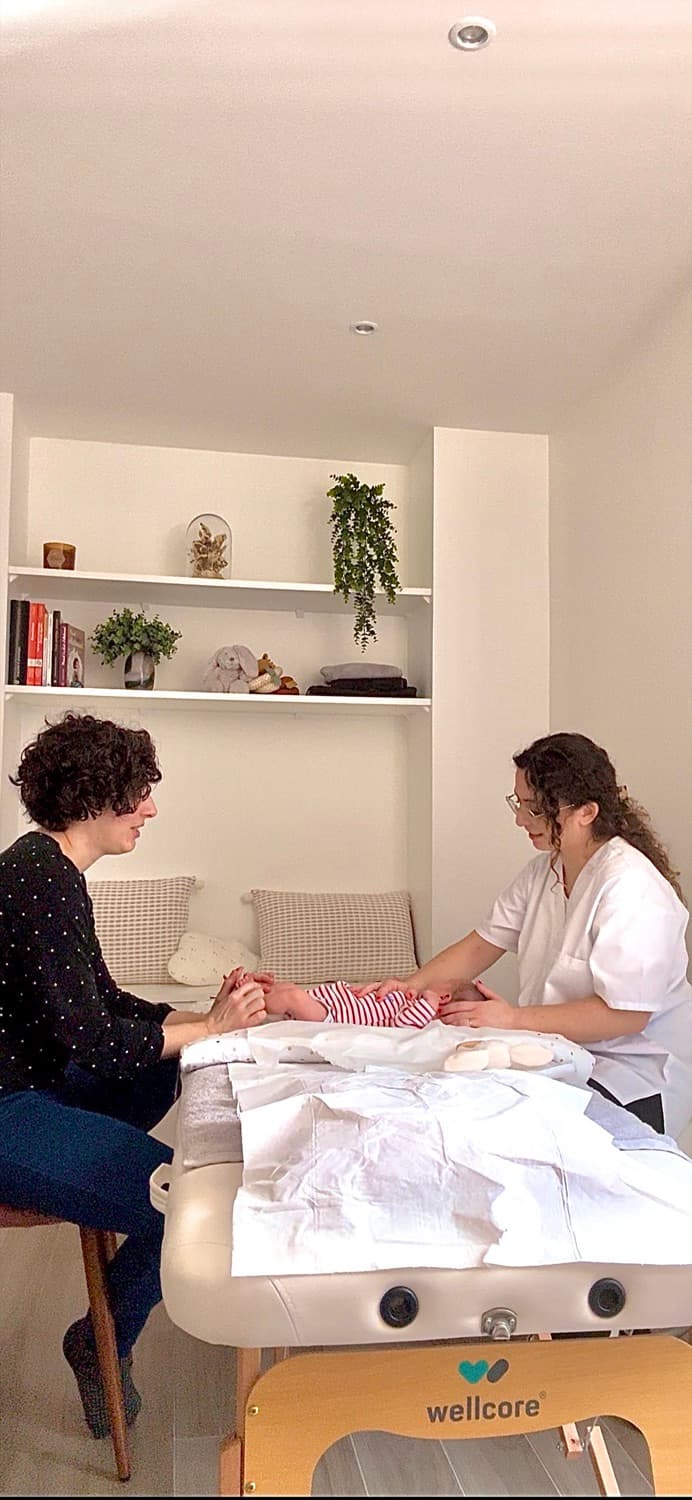
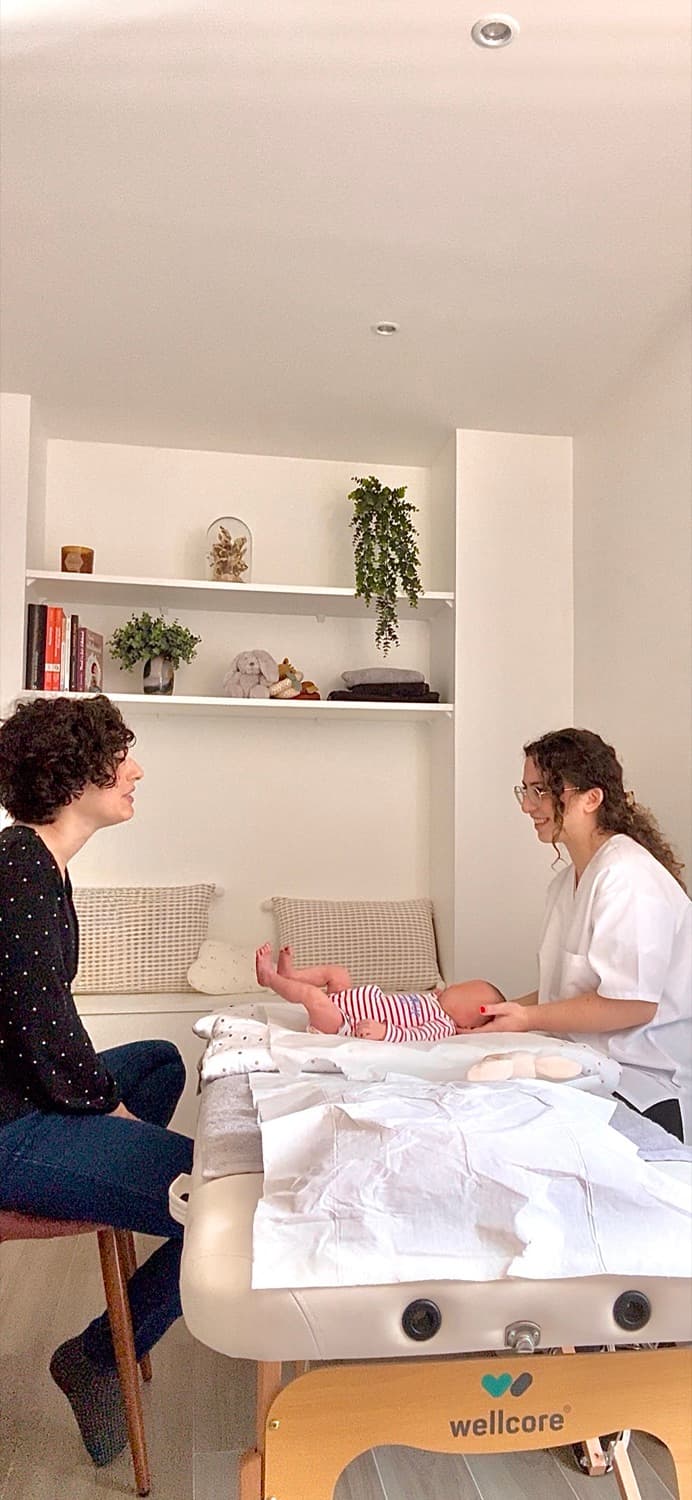
At my practice in Katamon, I care for mothers-to-be from Jerusalem’s English-speaking and international community. As a French-trained osteopath, I see patients in both English and French, from our first conversation to the advice I give you for home - a real comfort when it comes to describing exactly what you feel.

Osteopathy adds to your pregnancy care, whether it is provided by your OB-GYN, your midwife, or Tipat Halav. If you’re wondering about the right time for a first session, send me a message: we’ll talk it through simply, with no obligation.

Frequently asked questions

Your questions, my answers

How many osteopathy sessions should I plan on during pregnancy?

There’s no set number. Many women come in about once a trimester, and more often if a specific pain is bothering them. We decide together, based on how you feel.

Can an osteopath help my breech baby turn?

Osteopathy does not turn a baby: that is a medical procedure, performed by an obstetrician. What I can do is work gently on pelvic mobility and tension, to give your baby as much room as possible, with no promise of results.

Should I mention it to my OB-GYN or my midwife?

Yes, it’s a good habit, especially if your pregnancy requires special monitoring. Osteopathy complements your medical care and never replaces it.

Can osteopathy relieve early pregnancy nausea?

Some women feel relief after a gentle session working on the diaphragm and digestive system, but it varies from person to person and nothing is guaranteed. If your nausea is severe or keeps you from eating, talk to your doctor.

Léa Laskar, Osteopath D.O. in Jerusalem (Katamon)

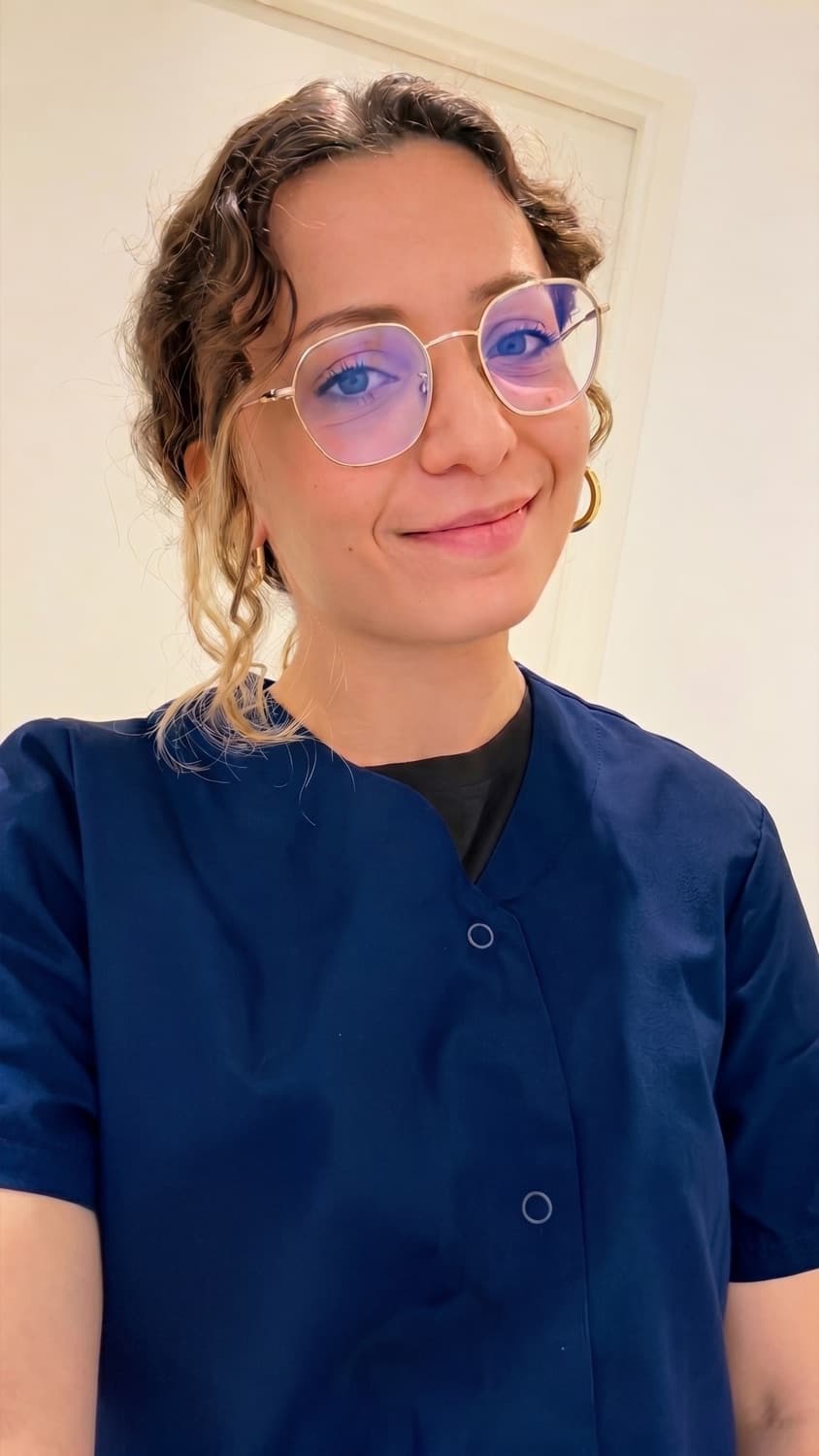
Léa Laskar, Osteopath D.O.

A graduate of the Institut Dauphine d’Ostéopathie (IDO Paris), licensed by the Israeli Ministry of Health. I care for women, babies, and children in Jerusalem (Katamon), in English and French. Learn more about my background.

This article is intended for information only and is not a substitute for medical advice. If you have any doubts or a worrying symptom, please see your doctor.

Ready to book your appointment?

Message me on WhatsApp or through the contact form: I’ll be happy to get back to you and find a time that works.