Skip to content
Women’s health

Endometriosis and osteopathy: what sessions can offer

By Léa Laskar, Osteopath D.O.Updated on June 24, 20268 min read

When you live with endometriosis, you look for anything that might help ease pain that spills over into your work, your relationship, your sleep. Osteopathy comes up often in that search - and with it, plenty of questions and a few false promises.

Let me be clear from the start: osteopathy does not treat endometriosis and does not make the lesions disappear. But alongside your medical care, it can help some women live better with their pain. Here’s what it can - and cannot - offer.

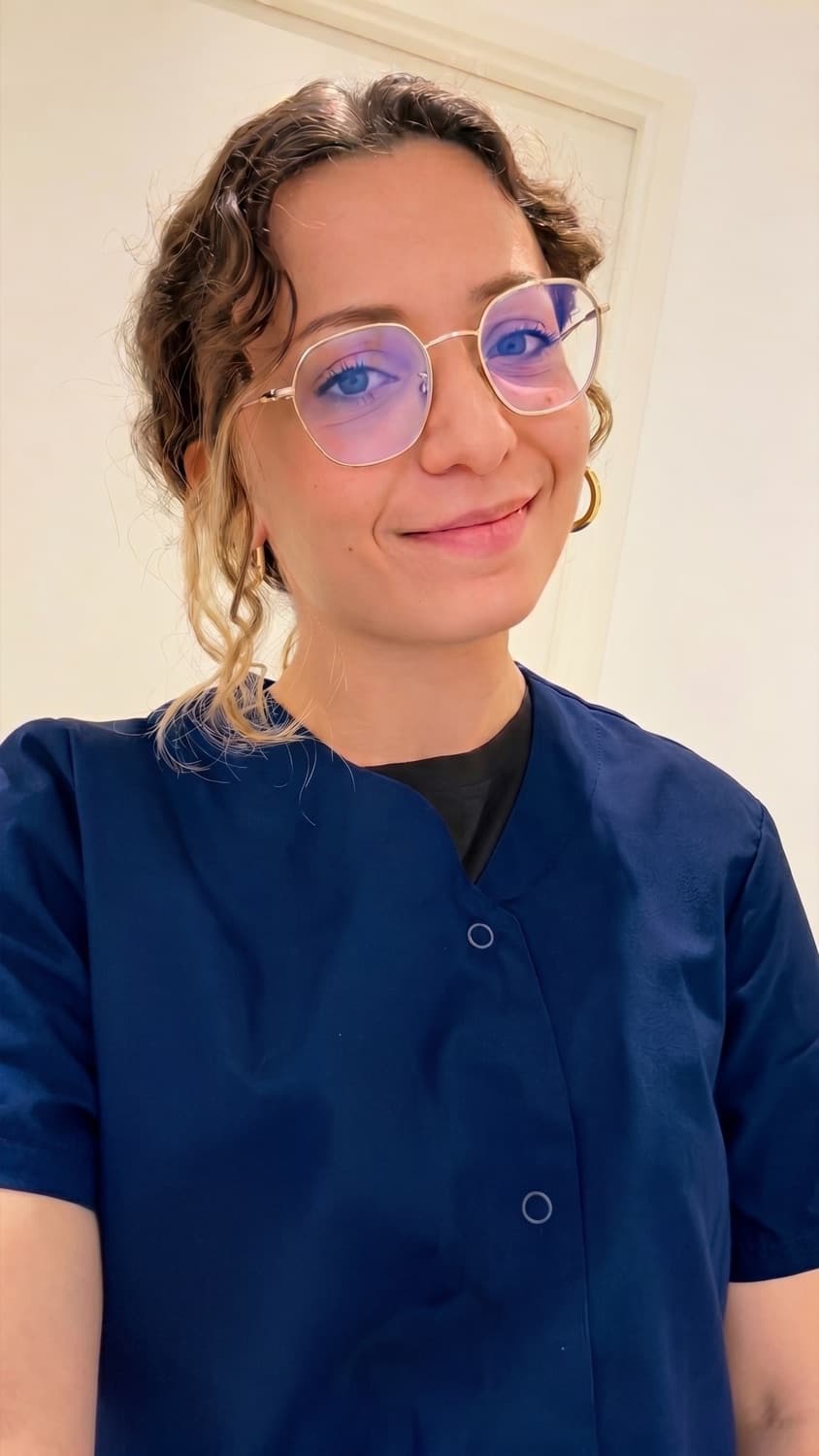
Léa Laskar, osteopath specializing in women’s health in Jerusalem (Katamon)

Key takeaways

  • Osteopathy doesn’t cure endometriosis and never replaces your gynecologist.
  • It can help release tension in the pelvis and make certain pains easier to live with, alongside your medical care.
  • Diagnosing, monitoring, and treating endometriosis remain your doctor’s responsibility.

Endometriosis: a disease, and a long road to diagnosis

Endometriosis affects roughly one in ten women of childbearing age. Tissue similar to the lining of the uterus grows outside of it and responds to the hormonal shifts of the cycle, which can cause inflammation, pain, and adhesions. A diagnosis still often takes years: many women spend a long time searching for answers before they’re finally heard.

Pain that spills over into all of daily life

Endometriosis is not “just painful periods.” It can mean pelvic pain outside your period, pain during sex, digestive or urinary issues, deep fatigue, and the mental load of a pain you constantly have to explain. Acknowledging that lived experience already matters.

Diagnosis and treatment remain medical matters

Making the diagnosis, prescribing hormonal treatment, considering surgery, supporting your plans for pregnancy: all of that belongs to your gynecologist and the team who follows your care. Osteopathy is not meant to take their place, and any honest practitioner will tell you so plainly.
What osteopathy can offer

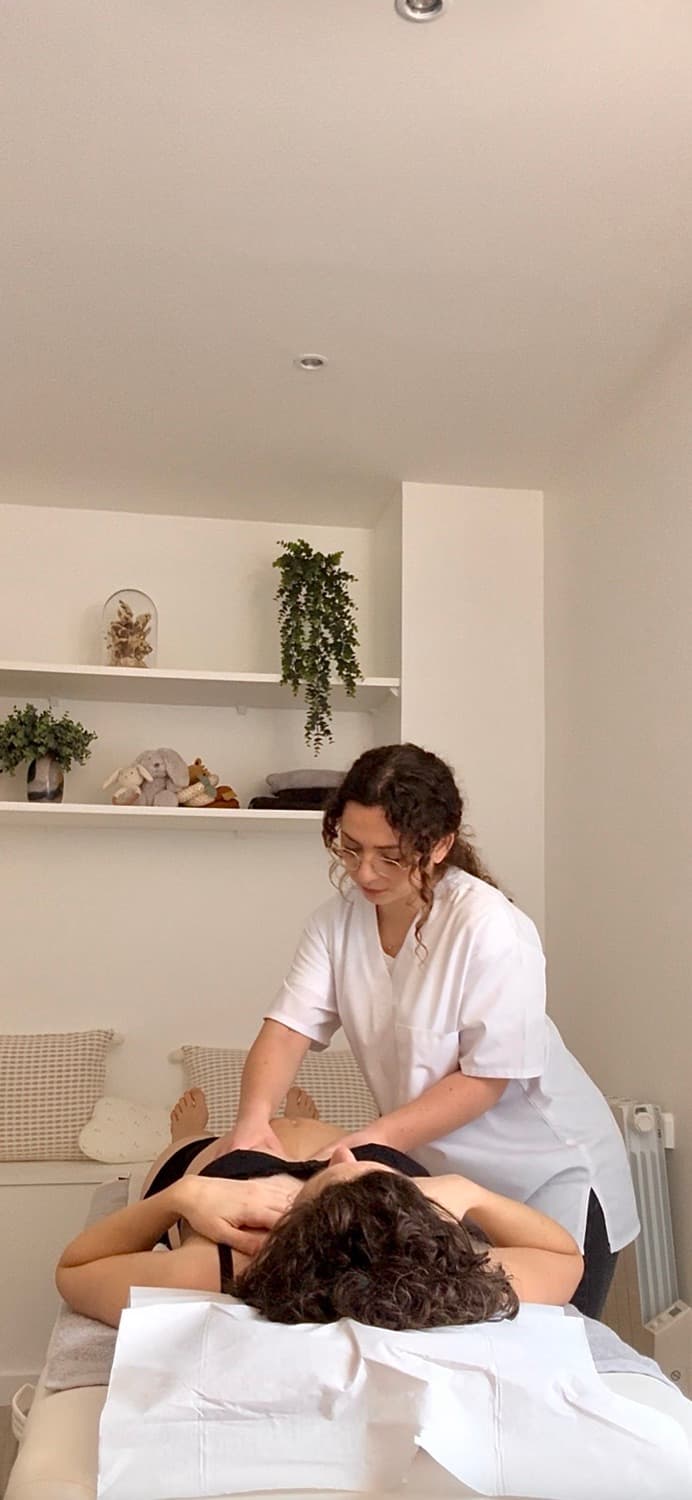
What I can do is work gently on the tension that builds up around the pain: a locked pelvis, a stiff lower back, a tight diaphragm and abdomen, shallow breathing. Osteopathy can also help make any kind of menstrual pain easier to live with. Non-drug approaches like osteopathy are mentioned among those that can contribute to quality of life, alongside your medical care - without claiming to act on the disease itself.

This is part of my women’s health osteopathy care, where pelvic pain and urogynecology play a central role.

What does a session actually look like?

Time to talk

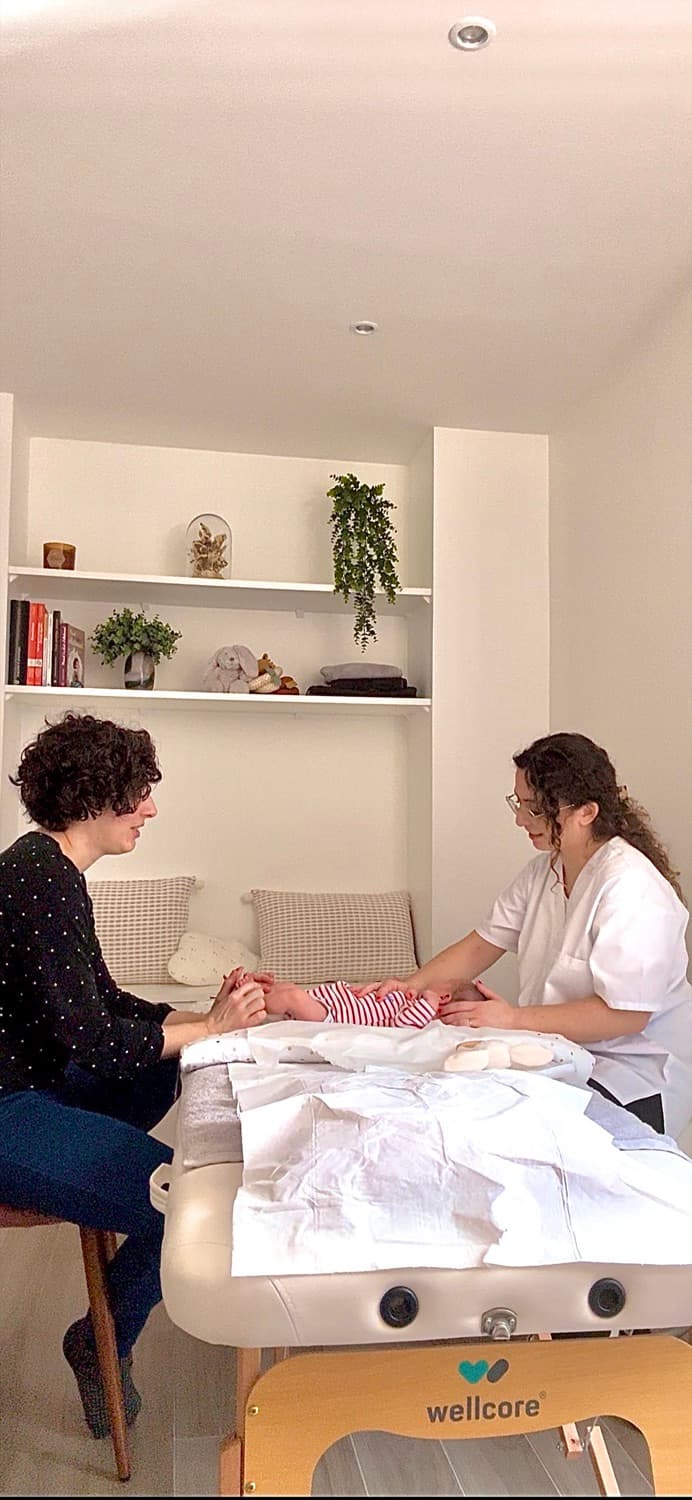
Everything starts with a real conversation: your history, your cycle, your pain, your medical care, your current treatments. That time helps me understand where you are and fully tailor the session - and make sure osteopathy is right for you at that point.

Gentle, external manual techniques

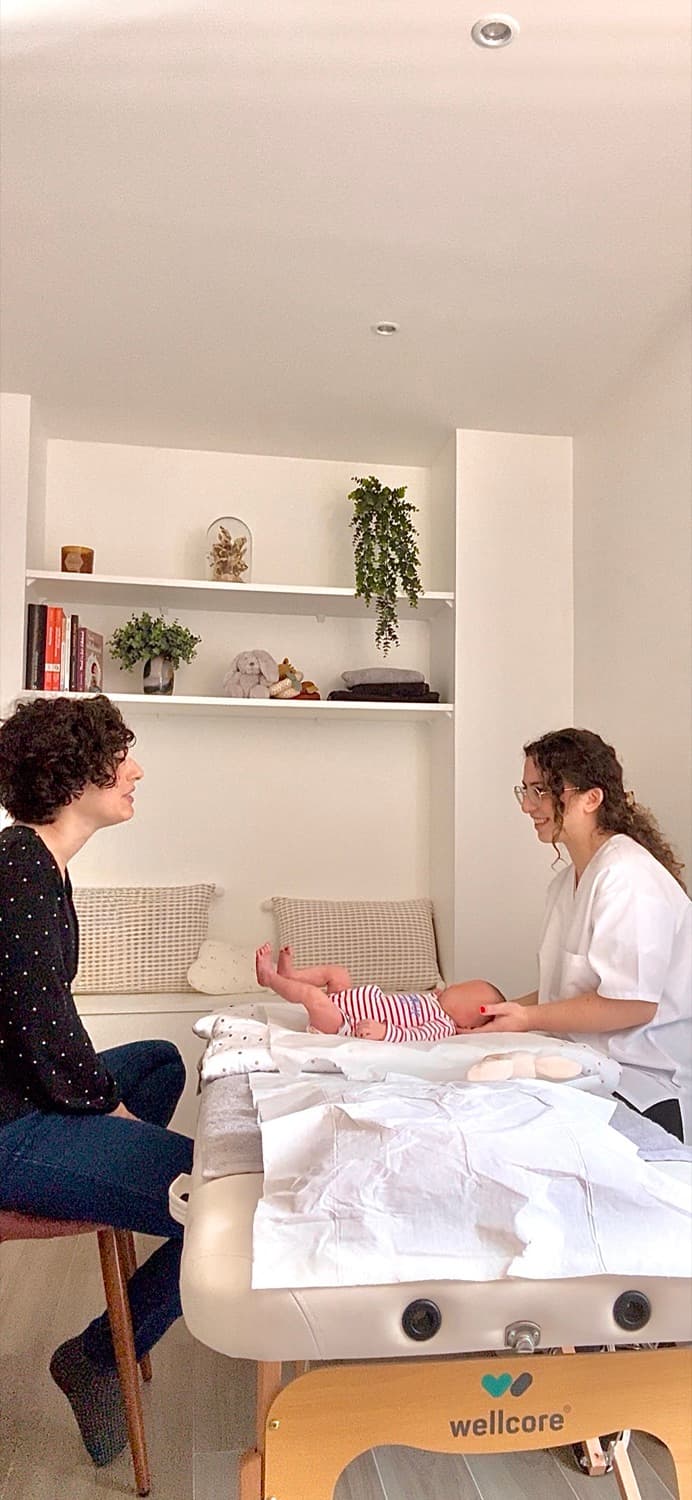
I use gentle manual techniques, always external, to work on the mobility of the pelvis, lower back, diaphragm, and abdomen. There is no internal work. Every step is explained, and you stay in control: at any moment, you can ask me to lighten the pressure or stop. Respect for your body and your privacy comes before everything else.

After the session, and how often to come back

There is no universal protocol and no “proven” number of sessions for endometriosis. We move step by step: we look at what the first session has changed, then decide together what comes next, without ever scheduling more appointments than you need.

Have a question, or ready to book an appointment?

Write to me - I’ll get back to you in English or French, with no obligation.

When is a good time to come in?

There’s no wrong time, but a few useful guideposts: during a stretch of persistent pain, between flare-ups to work on the underlying tension, or around endometriosis surgery - always with your medical team’s approval, and respecting healing time after an operation.

Care that adds to your treatment, never replaces it

Hand in hand with your gynecologist

Osteopathy makes the most sense within coordinated care: your gynecologist for diagnosis, treatment, and follow-up; osteopathy to help release tension and make certain pains easier to live with. If anything seems to call for a medical opinion, I refer you without hesitation.

Other everyday allies

Many women find added relief in heat (a hot water bottle), gentle and regular physical activity, practices like yoga or sophrology, and an anti-inflammatory diet. None of these approaches cures endometriosis, but together, they can help you regain some control over daily life.

In Jerusalem, care in English and French

When pain is hard to put into words, being able to explain everything in your own language changes a great deal. At my practice in Katamon, I welcome women from Jerusalem’s English-speaking and international community - in English and French - working in step with their gynecological care. If you live with endometriosis and wonder whether osteopathy could help you, write to me: we’ll talk it through, simply.

Frequently asked questions

Your questions, my answers

Can osteopathy cure endometriosis?

No. Osteopathy doesn’t cure endometriosis and doesn’t make the lesions disappear. Alongside your medical care, it can help release certain tensions and make the pain easier to live with, without ever replacing your gynecologist.

How many sessions before I feel relief?

There is no established number of sessions for endometriosis. We look at what the first session has changed, then decide together what comes next, at your pace, without piling on appointments.

Is a session painful? Is there any internal work?

The techniques are gentle and always external: there is no internal work. Every step is explained, and you can ask me to lighten the pressure or stop at any moment. Respect for your body and your privacy comes first.

At what point in my cycle should I book?

There’s no strict rule. Some women prefer to come in outside their most painful days, others during a stretch of persistent pain. We adapt to your situation.

Can I come in without a confirmed diagnosis?

Yes, but a medical workup remains essential: persistent pelvic pain should always be investigated by a doctor. Osteopathy supports your care - it doesn’t replace the search for a diagnosis.

Léa Laskar, Osteopath D.O. in Jerusalem (Katamon)

Léa Laskar, Osteopath D.O.

A graduate of the Institut Dauphine d’Ostéopathie (IDO Paris), licensed by the Israeli Ministry of Health. I care for women, babies, and children in Jerusalem (Katamon), in English and French. Learn more about my background.

This article is intended for information only and is not a substitute for medical advice. If you have any doubts or a worrying symptom, please see your doctor.

Ready to book your appointment?

Message me on WhatsApp or through the contact form: I’ll be happy to get back to you and find a time that works.